Adaptive Resistance

Kineo Intelligent Load: Smarter Strength Training for Rehab and Performance

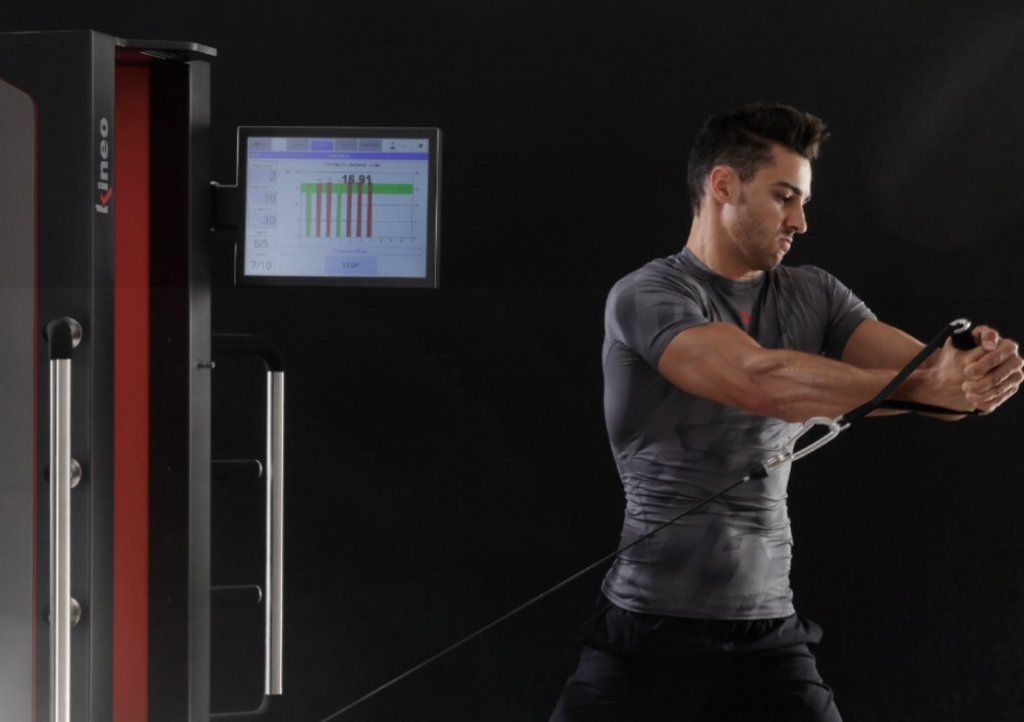
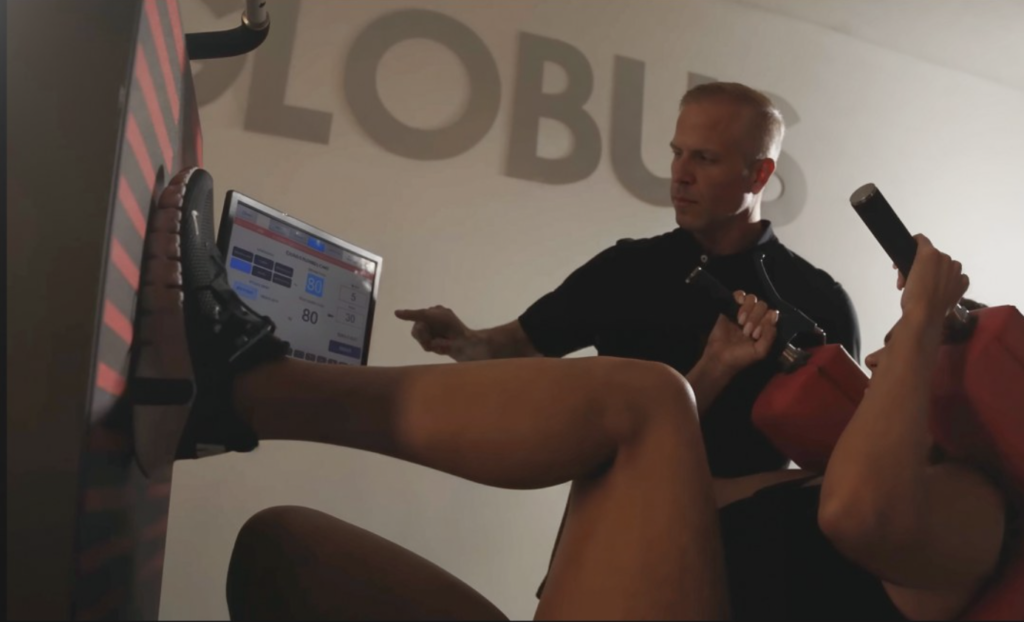
Traditional strength equipment usually applies resistance in a fixed way. Whether using free weights, machines, or conventional resistance systems, the load often stays the same throughout the movement, even when the body’s strength capacity changes at different angles. Kineo takes a different approach. Powered by advanced technology and AI-driven programming, Kineo analyzes force, speed, and range of motion in real time. This allows the system to automatically adjust resistance throughout each phase of movement, including concentric, eccentric, and isometric work. The result is a smarter, safer, and more personalized training experience for physical therapists, performance coaches, and athletes. Adaptive Resistance for Every Phase of Movement One of the main advantages of Kineo is its ability to manage resistance with precision. During the concentric phase, when the muscle shortens to generate force, Kineo can support strength and power development. During the eccentric phase, when the muscle lengthens under tension, it can help improve control, deceleration, and injury prevention. During isometric work, Kineo allows safe strength production without joint movement. This level of control makes training more specific and helps professionals apply the right stimulus at the right moment. Smarter Rehabilitation and Injury Prevention In rehabilitation, load management is essential. Too little resistance may not create enough progress, while too much can increase pain, compensation, or tissue overload. Kineo helps solve this challenge by adapting resistance to the user’s actual capacity during movement. This makes it especially useful for post-injury recovery, return-to-sport programs, tendon rehabilitation, and early-stage strength rebuilding. By reducing unnecessary stress at critical points and supporting controlled movement, Kineo helps clinicians create safer and more effective rehabilitation sessions. Real-Time Data for Better Decisions Kineo does more than guide movement. It also provides measurable data. With integrated tracking and real-time feedback, clinicians and coaches can evaluate strength, movement quality, force production, imbalances, and progress over time. This gives professionals clearer information to adjust training plans and helps athletes understand that every repetition has a specific purpose. Data-driven training allows each session to become more precise, measurable, and personalized. Personalized Training, Powered by Intelligence Whether the goal is injury prevention, rehabilitation, return to sport, or high-performance training, Kineo adapts to the individual. Instead of making the athlete or patient adjust to the equipment, Kineo adjusts the training experience to the person. This creates a more intelligent way to train, recover, and perform. This is personalized training, powered by intelligence. This is Kineo.

Kineo Intelligent Load: Smarter Strength Training for Rehab and Performance Read More »
Jump Testing with Kineo

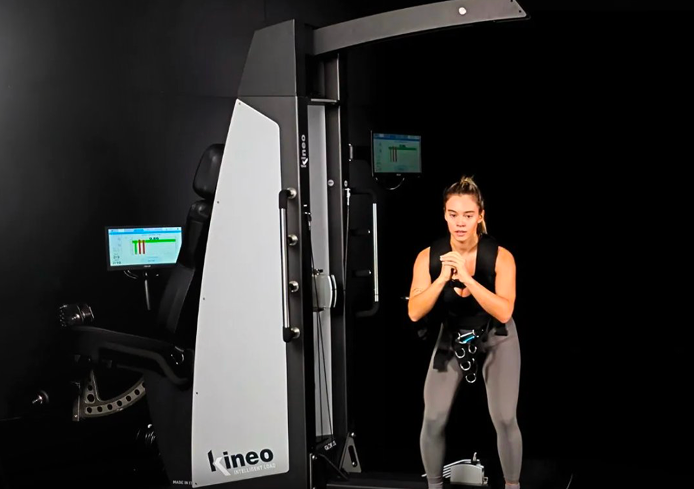
Jumping is one of the clearest indicators of athletic performance. It shows how well an athlete can produce force, generate power, control movement, and absorb impact. But without data, jump training is only effort. With Kineo, it becomes measurable insight. Kineo transforms jump training and testing into a controlled, intelligent process that supports performance development, rehabilitation, and safer return-to-play decisions. Why Jump Testing Matters Jump performance is not only about how high an athlete can jump. It also reveals important information about strength, power, limb symmetry, and neuromuscular control. For coaches, physical therapists, and sports performance professionals, this data is essential. It helps identify deficits, monitor progress, and understand whether an athlete is ready to safely return to training or competition. Smarter Jump Training with Kineo Kineo allows professionals to measure force output, power, and asymmetries in real time. Instead of relying on observation or subjective feedback, clinicians and coaches can use objective data to guide each stage of training and recovery. This is especially important after injury, when athletes may feel ready before their body has fully recovered. Kineo helps identify imbalances between the left and right limbs, making it easier to detect hidden deficits that could increase the risk of reinjury. Controlled Load Progression Traditional plyometric training can be effective, but it may also place high stress on the body, especially during the landing phase. Kineo offers a safer and more progressive approach by allowing controlled resistance and assistance throughout the movement. This helps athletes rebuild explosive power while managing load with precision. From early strength development to advanced jump performance, Kineo supports the full progression within one intelligent system. Training Takeoff and Landing Jumping is not only about takeoff. Landing quality is just as important. Kineo helps train eccentric strength and deceleration control, supporting the athlete’s ability to absorb force safely. This is critical for reducing injury risk, improving movement efficiency, and building confidence during return-to-play programs. Data-Driven Return to Play With Kineo, return-to-play decisions can be based on objective benchmarks instead of guesswork. Coaches and clinicians can track progress, compare performance between limbs, and adjust training based on measurable results. This creates a safer, smarter, and more personalized path back to sport. Train Higher. Land Safer. Measure Everything. Elite performance is not just about jumping higher. It is about understanding how strength, power, control, and recovery work together. With Kineo, jump training becomes more than a test of effort. It becomes a complete performance and rehabilitation tool designed to help athletes train intelligently, recover safely, and return stronger.

Jump Testing with Kineo Read More »

Kineo for Rotator Cuff Rehabilitation

Rotator cuff injuries and shoulder instability can affect strength, mobility, and performance in both everyday movement and sports. Pain, weakness, and limited range of motion are common symptoms, which is why rehabilitation must be precise, progressive, and safe. A strong recovery program should focus on improving shoulder stability, strengthening the deep stabilizing muscles, and restoring neuromuscular control without placing unnecessary stress on the joint. Smarter Shoulder Rehabilitation with Kineo Kineo Intelligent Load gives physical therapists and rehabilitation professionals a more controlled way to train the shoulder. Instead of using traditional resistance that may overload the joint at sensitive angles, Kineo adapts the load throughout the movement. This makes it easier to strengthen the rotator cuff while respecting the patient’s current condition, pain level, and stage of recovery. Controlled Training for the Rotator Cuff Kineo offers different training modes that are especially useful for shoulder rehabilitation. The isometric mode helps activate and strengthen the rotator cuff without requiring large joint movements. This can be valuable in early stages of recovery or when the shoulder is still painful or unstable. The elastic mode allows smooth and progressive resistance during rotations, abductions, and functional shoulder exercises. This supports mobility, strength, and control in a safer and more gradual way. The viscous mode recreates the feeling of movement in water, reducing stress at critical points in the range of motion. This helps patients move with more comfort while still receiving an effective training stimulus. Real-Time Data for Better Clinical Decisions One of Kineo’s biggest advantages is its ability to track the relationship between concentric and eccentric phases in real time. This helps clinicians identify strength imbalances, detect compensations, and adjust the rehabilitation plan with more precision. With visual and audio feedback, every session becomes measurable and goal-oriented. Patients can better understand their movement, while therapists can monitor progress and personalize each exercise. A Modern Approach to Shoulder Recovery By combining a robotic motor, advanced load management software, and real-time feedback, Kineo provides a smarter way to support rotator cuff recovery and shoulder stability. For clinics, sports teams, and rehabilitation professionals, Kineo helps make shoulder rehabilitation more personalized, controlled, and effective — supporting a safer return to movement, training, and performance.

Kineo for Rotator Cuff Rehabilitation Read More »